

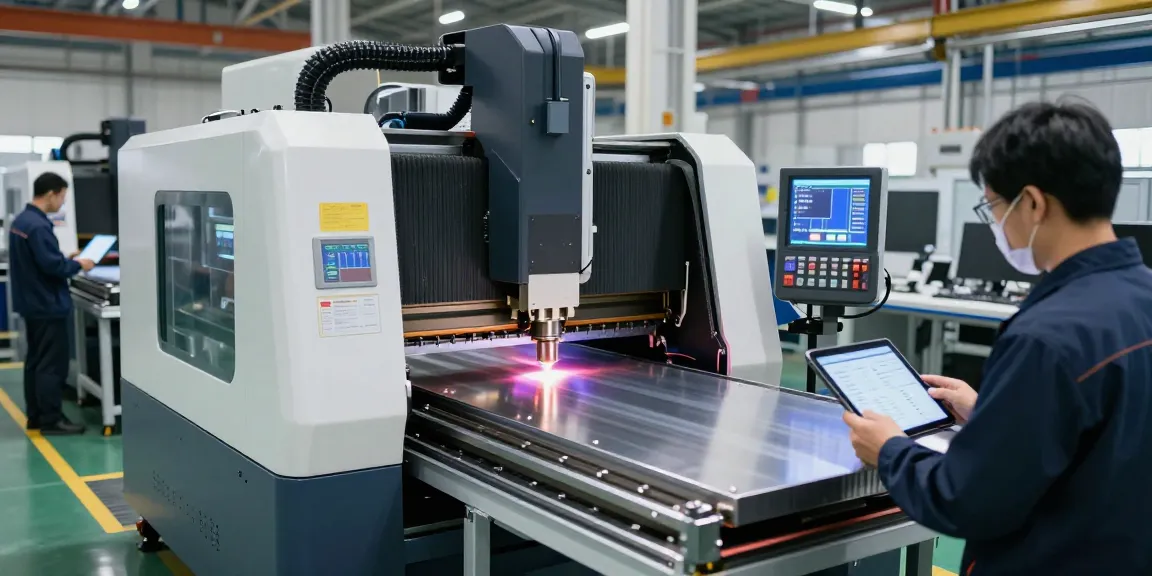
Understanding CNC Press Brake Technology
CNC press brakes have revolutionized the metal fabrication industry by providing unmatched precision and efficiency in bending metal sheets. These sophisticated machines integrate advanced computer numerical control (CNC) technology with hydraulic systems to deliver high-quality bends with minimal operator intervention. When exploring options, best cnc press brake factory offers adept guidance and solutions tailored to diverse manufacturing needs, allowing businesses to optimize their production processes and equipment longevity.
Overview of CNC Press Brake Machines
CNC press brake machines are integral to modern manufacturing, combining hydraulic power and advanced computer controls. Typically designed for bending metal sheets into specified angles and shapes, these machines can achieve remarkable tolerances. A press brake’s fundamental function revolves around its ability to manipulate the material into precise geometries as dictated by design specifications.
Key Features and Benefits
- Precision: CNC controllers enable repeatable accuracy, achieving tolerances as small as ±0.01 mm.
- Automation: Many CNC press brakes feature automation capability, enhancing productivity while reducing manual labor.
- Flexibility: These machines can process a variety of materials including aluminum, steel, and other alloys, making them versatile assets in any workshop.
- Safety Features: Modern designs incorporate various safety protections like light curtains and mechanical locks to ensure operator safety.
CNC Controller Technologies
The heart of a CNC press brake lies in its controller technology. Systems like the ESA S630 are prominent in the market, offering functionalities that control multiple axes—typically up to 6 axes with core functionalities for bending operations. Such systems allow for both graphical and data-driven programming modes, enhancing user-friendliness and efficiency. With real-time feedback mechanisms and comprehensive programming features, operators can streamline workflows and reduce wastage in production.
Choosing the Right CNC Press Brake Factory
Selecting the best factory for your CNC press brake requirements is crucial for ensuring quality and service. Key considerations should include the manufacturer’s reputation, the range of models offered, and customer service quality. A top-tier factory will often provide additional customization options and a robust after-sales support system.
Factors to Consider When Selecting a Factory
When choosing a CNC press brake factory, it is essential to evaluate key factors such as:
- Production Capacity: Ensure the manufacturer can meet your volume requirements and delivery timelines.
- Product Range: Look for factories that offer a variety of models, including standard, hybrid, and robotic press brakes.
- Technological Advancements: Choose factories that utilize cutting-edge technology in their manufacturing processes.
Evaluating Factory Certifications and Experience
Recognizing manufacturer certifications is vital in assessing their commitment to quality. Certifications like ISO 9001 signal adherence to international quality standards. Additionally, the years of operational experience a factory possesses can be indicative of their reliability and knowledge in addressing unique customer needs.
Understanding Customer Support and After-Sales Service
Robust customer support and after-sales services are paramount. Factors such as warranty terms, availability of spare parts, and technical support should significantly influence your decision. Companies that offer consultation services pre and post-purchase are often more trusted among industry professionals.
Comparing CNC Press Brake Models
When investing in CNC press brakes, comparing various models simplifies the selection process and ensures the right fit for production needs.
Standard Vs. Hybrid CNC Press Brakes
Standard CNC press brakes rely on conventional hydraulic systems, while hybrid models leverage modern servo-motor technology to reduce energy consumption. Hybrid options offer enhanced efficiency and adaptability for diverse applications, making them increasingly popular as companies seek cost-effective, sustainable solutions.
Performance and Efficiency Metrics
Focusing on performance metrics is key when comparing CNC press brake models. Key metrics to consider include:
- Cycle Time: Measure the time it takes to perform a bend.
- Energy Consumption: Evaluate the average operational costs to identify energy-efficient options.
- Accuracy and Tolerance: Identify the bending precision achievable with each model.
Customization Options for Different Applications
Customization is often required in metal bending to accommodate unique production requirements. Options may include adjustable backgauge systems, varied bending radii, and specialized tooling to support complex designs.
CNC Press Brakes in Automation and Robotics
Incorporating CNC press brakes into automated manufacturing processes significantly enhances operational capabilities and efficiency, making them integral to modern fabrication environments.
Integrating Press Brakes with Robotic Technology
The coupling of CNC press brakes with robotic technology provides innovations in automated metal bending. Robotic arms can manipulate materials with precision, feeding parts into the press brake for continuous operations without human oversight. This integration not only reduces labor costs but also minimizes the likelihood of errors and injuries associated with manual handling.
Benefits of Automation in Metal Bending
Automation introduces several advantages to metal bending processes:
- Increased Throughput: Machines can operate continuously, significantly increasing the number of bends produced without downtime.
- Enhanced Consistency: Automated systems provide repeatability and precision, reducing variability in finished products.
- Labor Cost Savings: Automation decreases dependency on human operators, allowing for redeployment of labor to higher-value tasks.
Optimizing Production Lines with Advanced CNC Systems
To fully utilize CNC press brakes within a production line, consider integrating advanced systems that offer monitoring and analytics capabilities. Real-time data analysis can lead to proactive adjustments, ensuring optimal performance and addressing potential issues before they escalate into costly downtimes.
Future Trends in CNC Bending Machines
The landscape of CNC bending machines is expected to evolve significantly by 2026, driven by technological advancements and industry demands for sustainability and efficiency.
Innovations in CNC Technology by 2026
Expect significant advancements in AI-driven CNC technologies, refining predictive maintenance and smart diagnostics for CNC press brakes. Furthermore, advances in machine-to-machine (M2M) communication will facilitate smart factories, allowing for seamless integration across manufacturing processes.
The Role of AI in Enhancing CNC Press Brakes
Artificial intelligence is largely responsible for optimizing various manufacturing processes. For CNC press brakes, AI can predict failures, optimize bending parameters dynamically, and even suggest tooling configurations based on workload requirements. The incorporation of AI algorithms will undoubtedly enhance both the efficiency and accuracy of operations.
Environmental Considerations and Sustainability Trends
With increased scrutiny on manufacturing practices, sustainability has become essential. CNC press brakes will likely incorporate more energy-efficient technologies and waste-reduction practices to minimize their environmental footprint. This shift will not only address regulatory compliance but also enhance market competitiveness.
Frequently Asked Questions
What is the average cost of CNC press brakes?
The cost of CNC press brakes can vary widely depending on factors such as capacity, brand, and features. Generally, prices range from $20,000 to $45,000 or higher for advanced models.
How long is the lead time for CNC press brake machines?
Typical lead times for CNC press brakes can range from 25 to 45 working days, depending on the manufacturer and the complexity of the machine being ordered.
What kind of maintenance do CNC press brakes require?
Regular maintenance for CNC press brakes should include hydraulic fluid checks, calibration of the CNC controller, and inspections of mechanical parts to ensure optimal performance and longevity.
